
COD Warzone: The Evolution of Modern Warfare’s Battle Royale Phenomenon
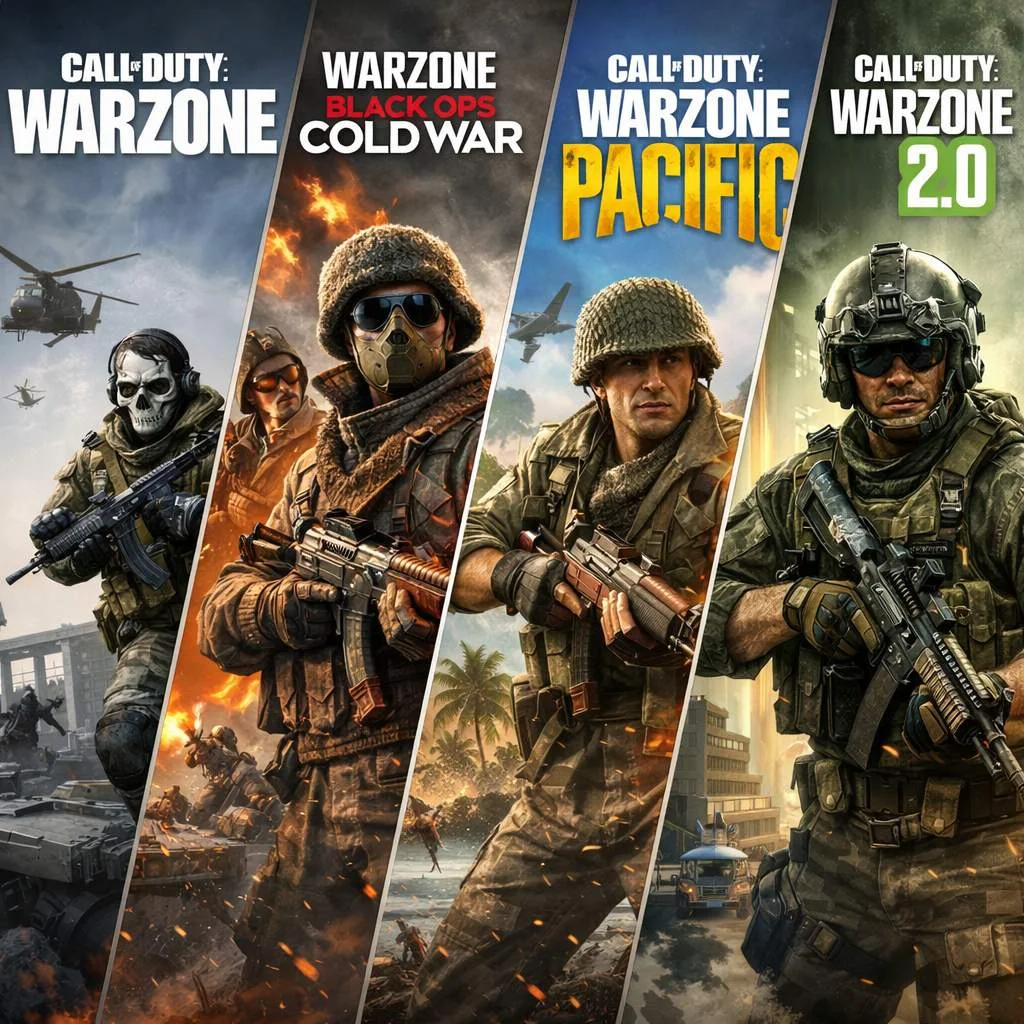
COD Warzone has become one of the most influential battle royale games since its explosive launch in 2020. As a free-to-play phenomenon that revolutionized the Call of Duty franchise, it continues to dominate the competitive gaming landscape. In this comprehensive guide, we’ll explore the rich history of COD Warzone, its cultural impact, and what the future holds for this iconic title.
The Birth of a Battle Royale Legend
When COD Warzone launched on March 10, 2020, few could have predicted the massive cultural impact it would have on the gaming industry. Developed by Infinity Ward and Raven Software, COD Warzone arrived as a free-to-play battle royale component to Call of Duty: Modern Warfare. The timing was strategic—the game launched during the early stages of the COVID-19 pandemic when millions of people were seeking entertainment at home.
COD Warzone distinguished itself from competitors like PUBG and Fortnite by offering a more grounded, tactical approach to the battle royale formula. The game featured the fluid gunplay mechanics that Call of Duty fans loved, combined with a accessible free-to-play model that removed barriers to entry. Within weeks, COD Warzone had amassed over 30 million players, making it an instant phenomenon.
The original Verdansk map became iconic among players, featuring diverse locations like Downtown, the Airport, and the Stadium. Each location offered unique tactical advantages, encouraging varied playstyles and strategies. The combination of fast-paced gunplay, vehicle mechanics, and a compelling progression system kept players engaged for hours.
Major Milestones in COD Warzone History
Season One and Beyond
Following its launch, COD Warzone received consistent seasonal updates that kept the community engaged. Each season introduced new weapons, cosmetics, and gameplay changes that maintained the game’s relevance. The integration with subsequent Call of Duty titles—including Black Ops Cold War and Vanguard—expanded COD Warzone’s universe and kept the content fresh.
The Verdansk Era
Throughout 2020 and most of 2021, Verdansk remained the primary battleground. The map evolved through the seasons, with narrative events changing the landscape. From nuclear explosions to zombie infestations, Activision leveraged storytelling to justify map changes and keep the experience dynamic.
Caldera and New Beginnings
In December 2021, COD Warzone introduced the Caldera map, a tropical island setting that represented a significant departure from Verdansk’s urban aesthetic. This shift symbolized a refresh for the franchise as it integrated with Call of Duty: Vanguard, the World War II-themed installment in the series.
The Cod Warzone Competitive Scene
COD Warzone transcended casual gaming to become a competitive esports title. Major tournaments offered substantial prize pools, and professional teams competed at the highest levels. The game’s skill ceiling—determined by gunplay mechanics, map knowledge, and team coordination—provided ample room for competitive development.
The professional Warzone scene showcased incredible talent from streamers like NICKMERCS, TimTheTatman, and Scump. These personalities became ambassadors for the game, attracting millions of viewers to their streams and content. The blend of entertainment and high-level gameplay created a thriving ecosystem around COD Warzone.
Technical Evolution and Challenges
Like any live-service game, COD Warzone faced technical challenges throughout its lifecycle. Hackers and cheaters represented a persistent problem, prompting Activision to implement anti-cheat systems like Ricochet. While these measures improved the experience, the cat-and-mouse game between developers and cheaters continues.
The integration between multiple Call of Duty titles occasionally caused balance issues and technical inconsistencies. Weapons from Black Ops Cold War and Vanguard had different balancing standards, creating complexity in the competitive landscape. Despite these challenges, the development team consistently worked to refine the experience.
COD Warzone 2.0: A New Era
The franchise entered a new chapter with COD Warzone 2.0, launched alongside Call of Duty: Modern Warfare II in November 2022. This wasn’t simply a content update—it represented a complete rebuild of the engine and game mechanics. The new version featured the upgraded Unreal Engine-based technology, delivering improved graphics and performance.
For more information about COD Warzone 2.0, check out the official Call of Duty website [blocked]
Warzone 2.0 introduced the Al Mazrah map, a Middle Eastern setting with diverse environments ranging from deserts to urban centers. The new iteration featured enhanced audio systems, improved gunplay mechanics, and refined progression systems. These improvements reflected lessons learned from the original game’s five-year run.
Current State and Community Response
The reception of COD Warzone 2.0 has been mixed within the community. While many praised the technical improvements and fresh start, others felt the changes moved too far from what made the original successful. Weapon balancing and map design have been ongoing areas of discussion among the playerbase.
The free-to-play model continues to attract new players, ensuring a healthy player count across all skill levels. Seasonal content keeps the experience evolving, with new weapons, operators, and cosmetics regularly added to the store.
The Future of COD Warzone
Looking ahead, COD Warzone faces both opportunities and challenges. The integration with Call of Duty: Modern Warfare III will shape the next evolution of the franchise. Activision has committed to regular updates and meaningful content, suggesting the battle royale will remain central to Call of Duty’s strategy.
Several areas represent potential growth opportunities:
Mobile Integration: Expanding COD Warzone to mobile platforms could tap into a massive new audience and compete more directly with titles like PUBG Mobile.
Esports Development: Continuing investment in competitive infrastructure could elevate COD Warzone’s status as an esports title alongside established franchises.
Engine Improvements: Further optimization and technical enhancements could ensure COD Warzone remains competitive in graphics quality and performance.
Innovation in Mechanics: Introducing new gameplay systems or limited-time modes could maintain novelty and player engagement.
Conclusion
COD Warzone’s journey from launch surprise to cultural phenomenon demonstrates the power of quality game design, accessible distribution models, and committed live-service support. Whether you’re a casual player dropping into matches for entertainment or a competitive player pursuing ranked glory, COD Warzone has evolved to serve diverse playstyles.
The future of COD Warzone remains bright, with Activision demonstrating its commitment to the franchise through regular updates and technological improvements. As the battle royale landscape continues to evolve, COD Warzone stands as a testament to the enduring appeal of Call of Duty’s core gunplay mechanics adapted for large-scale multiplayer competition.
For the latest news and updates on the game, visit the official Call of Duty subreddit or follow professional streamers on Twitch.


Leave a Comment